
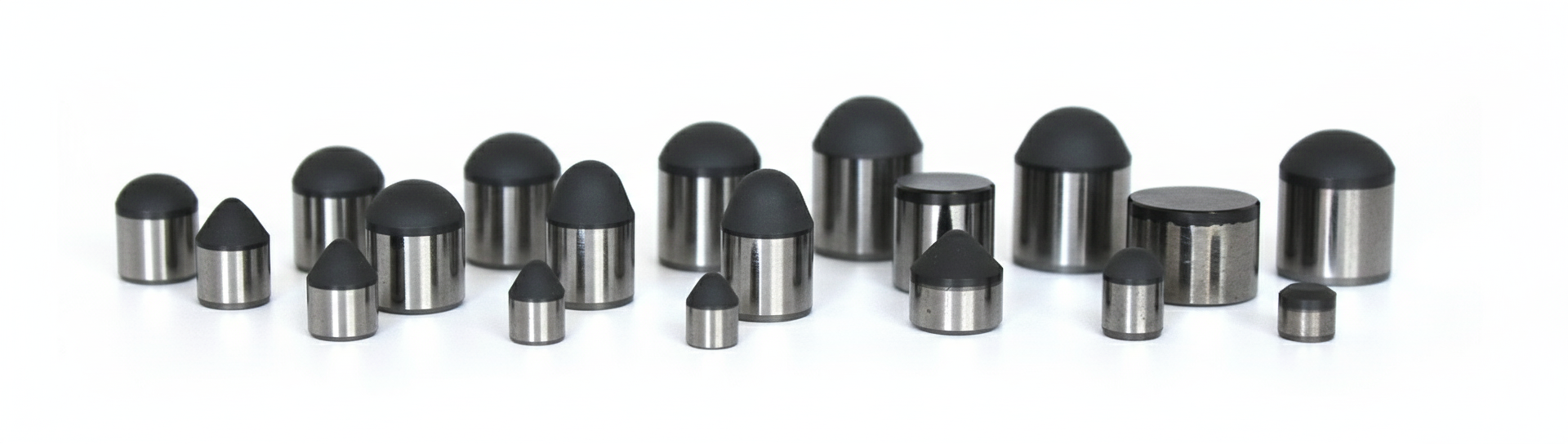
Engineering Specifications
LOW CATALYST CUTTER (LCC)
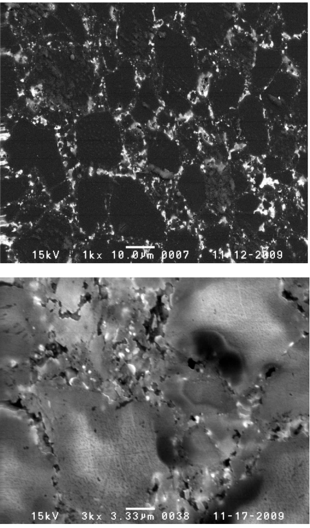
HPHT has developed a new family of cutters called LCC(Low Catalyst Cutter) cutters characterizedby low volume percent of non diamond phase in the structure. LCC cutters are not affected by the leaching process and perform exceptionally well against commercially available leached cutters. Leached cutters have voids in their structure and are prone to cracking.
ROLE OF BINDER PHASE IN PCD
All pcd cutters contain varying amount of binder also called catalystic Material.
Properties of PCD is determined by the amount and type of binder in the structure.
As temperature of PCD increase during drilling, binder expands more than diamond causing diamond to diamond bond.
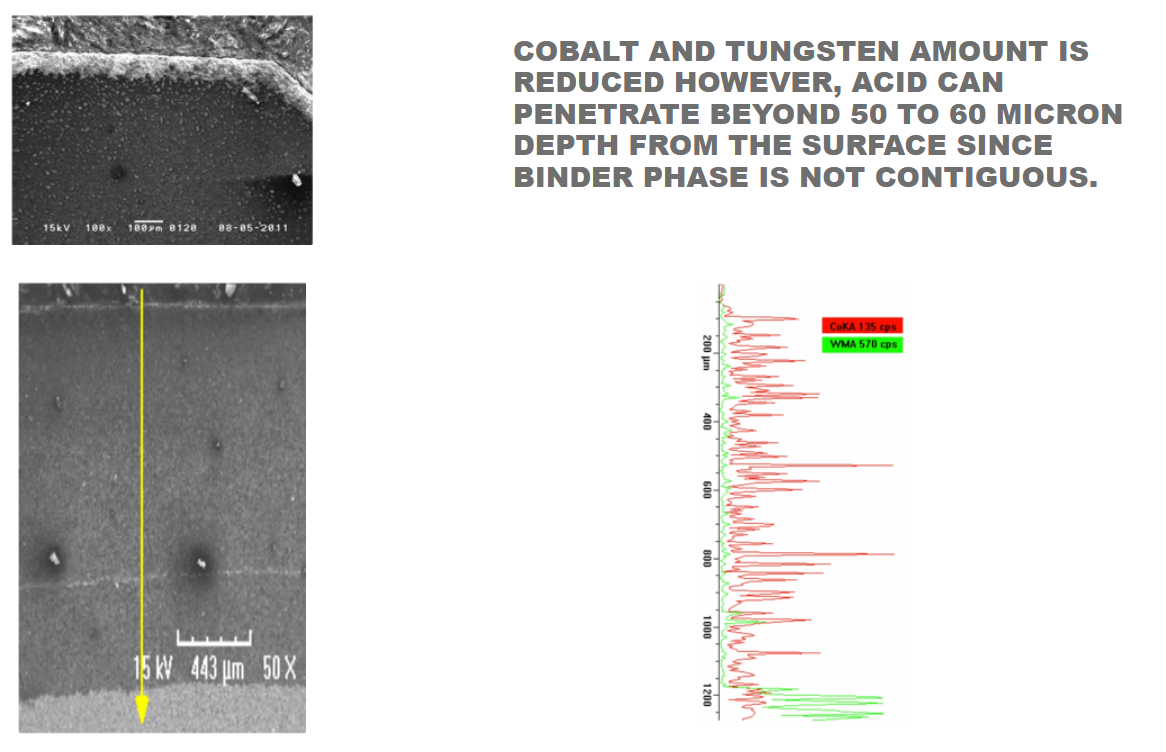
Partial leaching (shallow or deep) employed to reduce the amount of binder phase, However it creates voids in the structure
EFFECT OF LEACHING (ON HPHT PRODUCT)
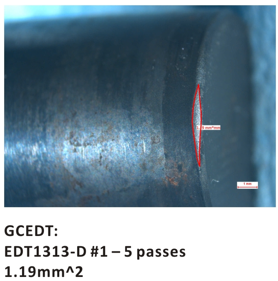
Wear Lip
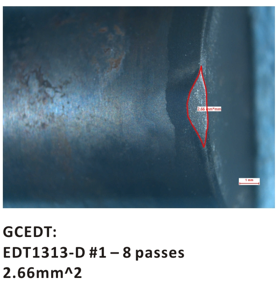
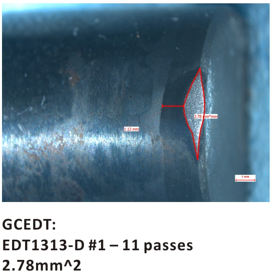
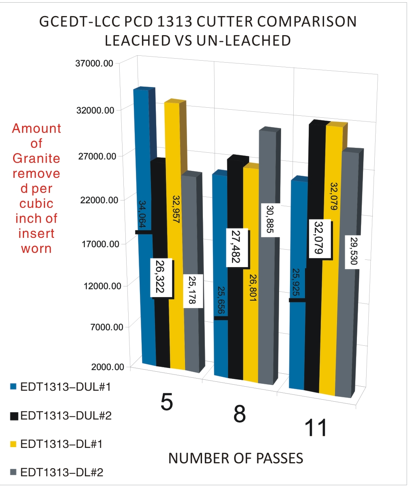
GRANITE LOG WEAR TESTING REPORT
Specific gravity of PCD layer can be used to determine the amount of binder content of the PCD layer.
When the amount of binder in the PCD structure is small , the performance of cutter is the same as leached product.
PCD cutters with small amount of binder show insiginidicant depth of leaching (Less than 40 micron) even after subjected to long exposure to leaching either by electrolystic or acid leaching process.
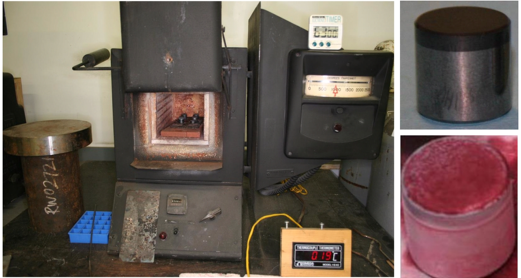
THERAMAL CYCLING TEST
All commercially available PCD cutters have varying weight percentage of non diamond phase in their structure. The non diamond phases have different properties compared to the diamond phase in terms of thermal conductivity, thermal expansion and elastic modulus. Upon heating and cooling non diamond phase tend to cause development of porosity or cracking due to their higher coefficient of thermal expansion. Thermal cycling test is a useful test that is commonly used to determine quality of PCD products. In Diamond thermal test, cutters are exposed to 750°C in air for duration of time and then rapidly cooled to room temperature. They are then inspected for any cracks and porosity and then put in to the furnace for further cycling.